Gisela Hughes · 10 October 2026
Shifts in query complexity across photovoltaic databases during global supply chain disruptions
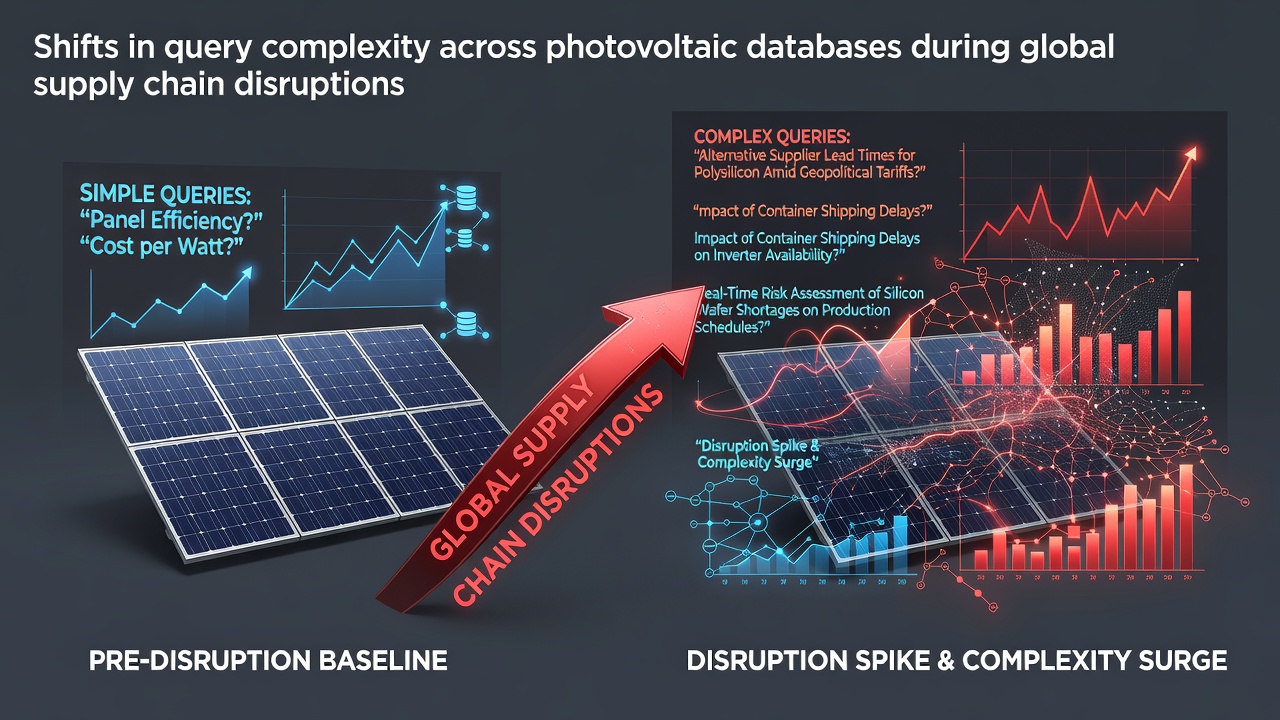
Photovoltaic databases have recorded notable changes in search patterns as global supply chain disruptions unfolded over recent years, with query structures growing more layered and specific, according to industry tracking systems. Users moved away from basic term lookups toward combinations that incorporate variables like regional availability, tariff fluctuations, and alternative sourcing options, while data from October 2026 continues to reflect these adjustments in real time.
Background on photovoltaic database usage
Researchers have documented steady growth in photovoltaic database access since the early 2020s, driven by expanding solar installations worldwide, and these platforms aggregate information on panel specifications, manufacturer outputs, and performance metrics. Observers note that initial queries often stayed straightforward, focusing on single parameters such as efficiency ratings or cost per watt, yet external pressures began reshaping those habits as material shortages and logistics delays took hold across Asia, Europe, and North America.
Effects of supply chain events on search behavior
Global supply chain disruptions, including semiconductor shortages and shipping bottlenecks that intensified after 2021, prompted database users to refine their approaches, and figures from monitoring tools show a rise in compound queries that bundle multiple filters. For instance, searches started combining terms like "polysilicon availability in Southeast Asia with EU tariff adjustments" rather than isolated keywords, while data indicates this trend accelerated further during port congestion episodes in 2024 and 2025. Those who study user navigation patterns report that sessions lengthened as individuals cross-referenced inventory updates with certification requirements and projected delivery timelines.
Regional variations in query patterns
Differences emerged across geographic areas, with North American users frequently incorporating domestic content rules into their searches following policy updates, whereas European queries often highlighted compliance with sustainability directives from the European Commission. Australian database interactions, tracked through national energy portals, leaned toward queries about off-grid compatibility during periods of delayed imports from major producers. A report from Natural Resources Canada highlights similar upticks in detailed filtering for cold-weather performance modules when supply routes faced interruptions.
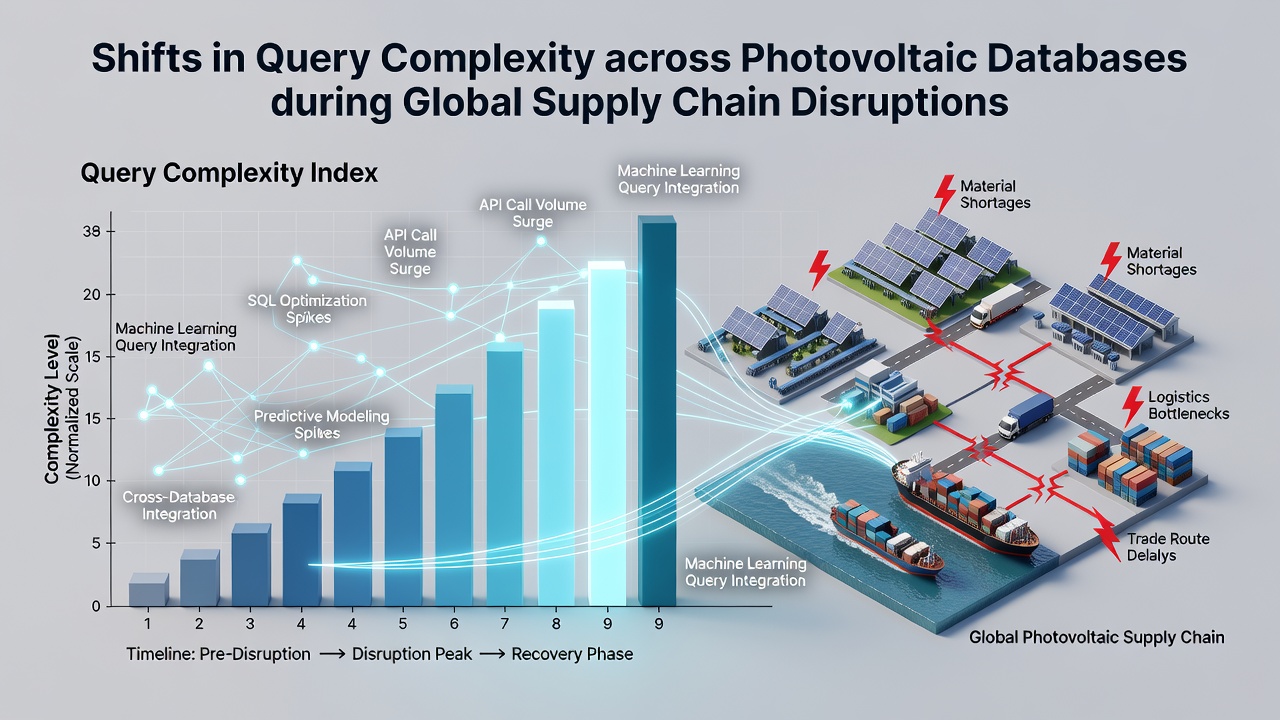
Academic analyses from institutions like the National Renewable Energy Laboratory have examined these shifts through log data, revealing that multi-clause queries increased by measurable margins during peak disruption windows. What's interesting is how database interfaces adapted with enhanced suggestion tools to handle the added complexity, and users responded by layering in variables such as carbon footprint calculations alongside traditional specs.
Data trends observed through October 2026
Tracking through October 2026 shows continued evolution, with photovoltaic database logs indicating sustained preference for queries that integrate real-time pricing indices and supplier risk assessments. International Renewable Energy Agency summaries point to parallel movements in emerging markets, where searches now routinely include references to localized manufacturing incentives as alternatives to traditional import channels. Those analyzing the patterns find that query length and nesting depth serve as reliable indicators of market uncertainty, since more elaborate searches correlate with periods of elevated volatility in raw material flows.
Industry organizations have compiled case examples where project planners adjusted their database interactions to account for secondary sourcing strategies, and this approach helped maintain timelines despite primary route delays. Evidence from aggregated platform metrics suggests that educational resources embedded within databases saw higher engagement when paired with complex query results, allowing users to cross-check technical details against supply forecasts.
Conclusion
Overall patterns in photovoltaic database queries demonstrate clear responses to supply chain disruptions, marked by increased specificity and integration of external factors like policy and logistics. Continued monitoring into late 2026 will likely capture further refinements as markets stabilize, providing ongoing insights into how information retrieval adapts under pressure.