Gisela Hughes · 26 September 2026
How Weather Patterns Influence Search Behaviors on Solar Resource Platforms
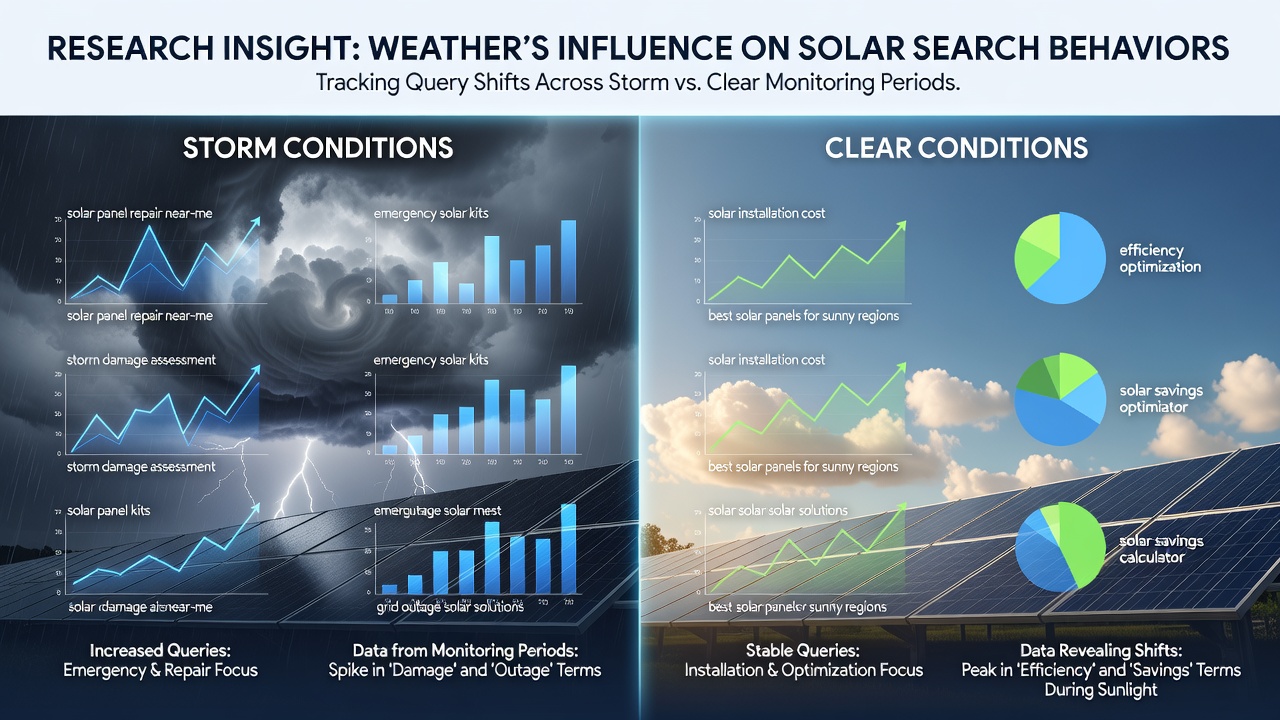
Researchers have tracked how weather patterns shape search behaviors on platforms dedicated to solar resources, with data from multiple monitoring periods revealing distinct shifts in query types during storms versus clear conditions, and this pattern held steady through observations that extended into September 2026. Monitoring teams collected query logs alongside meteorological records from several regions, allowing them to correlate atmospheric events with user activity on dedicated solar information hubs. The approach relied on timestamped searches that users submitted while accessing resources about photovoltaic systems, battery storage, and grid integration.
Monitoring Periods and Query Classification Methods
Data collection spanned multiple seasons across urban and rural locations where solar adoption rates vary, and analysts categorized queries into groups such as efficiency optimization, system resilience, installation costs, and maintenance procedures. Clear weather days produced higher volumes of searches focused on performance metrics and panel orientation, whereas storm events triggered spikes in terms related to backup power, flood resistance, and inverter protection. Those who've studied this know that the timing of these shifts often aligned within hours of weather alerts issued by national services.
Shifts Observed During Storm Events
Storm conditions consistently drove users toward queries about energy storage solutions and system durability, according to aggregated logs that covered dozens of weather episodes. People often searched for phrases involving battery capacity during high winds or heavy rain, and researchers noted increased interest in waterproofing standards for rooftop arrays. One study revealed that queries about grid disconnection protocols rose sharply when forecasts predicted prolonged outages, while interest in net metering calculations dipped during the same windows.
Clear conditions reversed several of these trends, with searches emphasizing maximum output calculations and tilt angle adjustments that maximize daily yield. Data indicates users explored topics like inverter efficiency ratings and panel cleaning schedules more frequently when skies remained cloud-free for extended periods. Figures reveal that session lengths on resource pages lengthened during sunny stretches, suggesting deeper dives into technical specifications.
Regional Variations in Search Responses
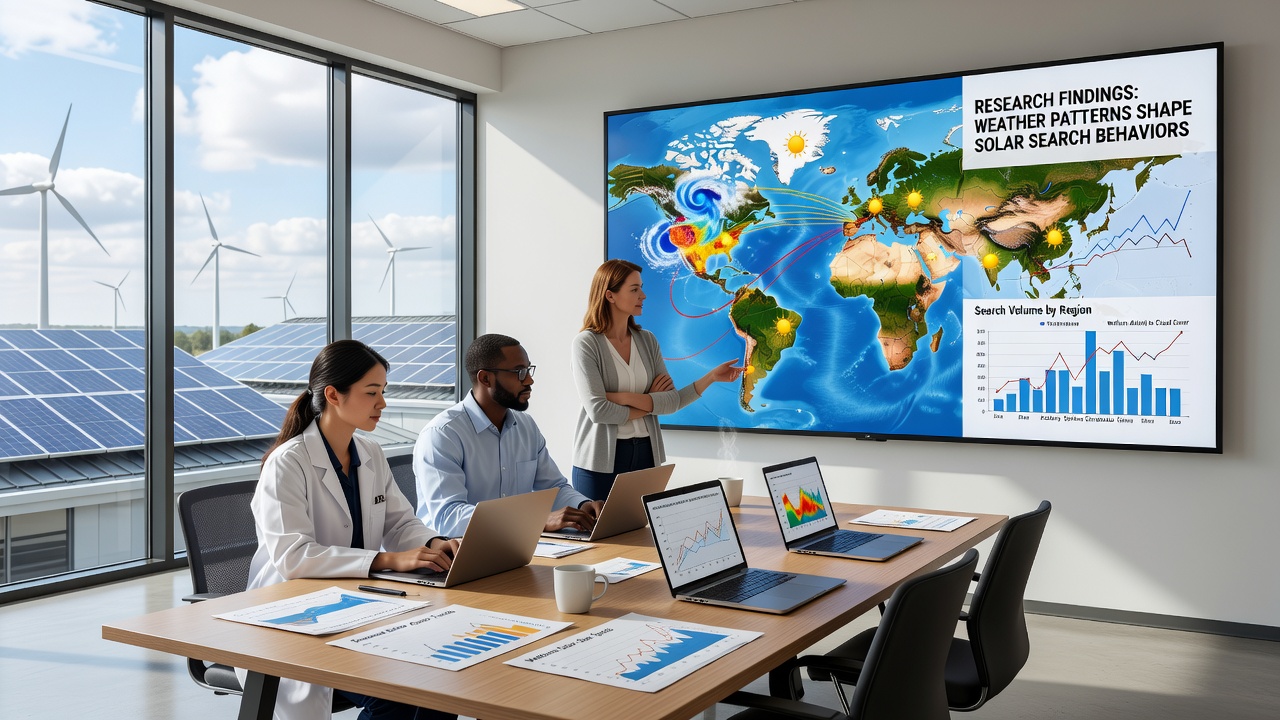
Geographic differences emerged when analysts compared datasets from coastal zones against inland plains, and coastal users showed stronger reactions to storm-related queries about corrosion resistance. Inland populations directed more attention toward dust accumulation and heat-related derating during clear, high-temperature periods. Observers note that these patterns persisted across platforms that serve both residential and commercial audiences, although commercial queries tended to cluster around financing models regardless of immediate weather.
Researchers cross-referenced their findings with reports from the U.S. Department of Energy, which supplied baseline solar resource maps used to validate location-specific search spikes. Additional context came from International Energy Agency publications that track global photovoltaic deployment trends and helped frame how localized weather influences broader adoption metrics.
Platform Design Adjustments Based on Observed Patterns
Platform operators began testing dynamic content recommendations that surface different resource categories depending on current weather alerts, and early implementations showed users engaging longer when resilience materials appeared during storm warnings. Navigation paths adjusted automatically to highlight maintenance guides after extended clear periods when dust or pollen levels might affect output. Those who've studied this know the changes required careful calibration to avoid overriding user-initiated searches.
By September 2026 the accumulated datasets allowed refinement of predictive models that anticipate query volume changes hours ahead of weather system arrivals. Teams integrated satellite imagery feeds with historical search logs to improve the timing of these adjustments, and preliminary tests indicated measurable lifts in page retention during transition periods between weather regimes.
Conclusion
The compiled evidence demonstrates measurable connections between atmospheric conditions and the types of information users seek on solar resource platforms. Continued monitoring through subsequent seasons will likely refine these correlations further, providing platform managers with additional tools to align content delivery with real-time environmental signals.